

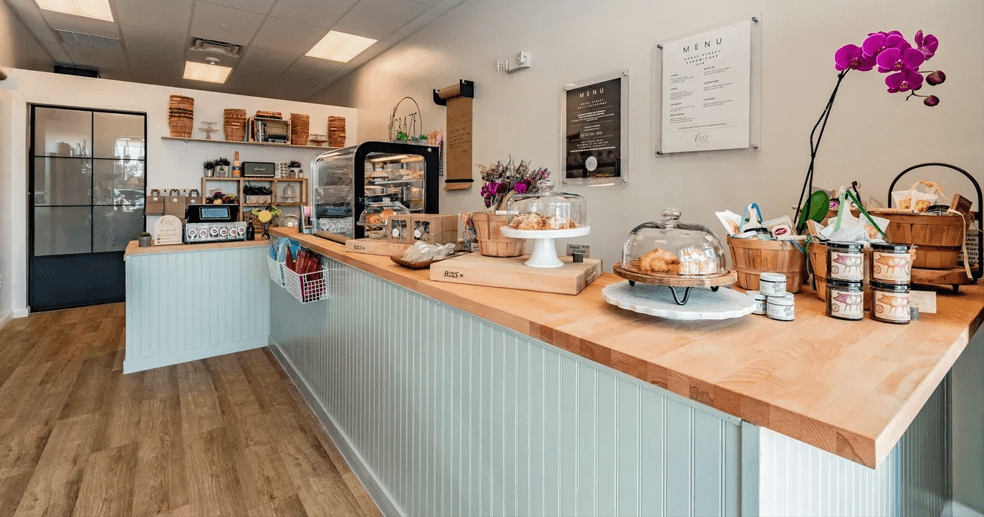
A commercial property is only as valuable as the businesses it can support. For Bradenton property owners, tenant improvements can make the difference between a space that sits underused and one that attracts the right tenant, supports stronger lease terms, and stays competitive over time.
Tenant improvements are not just cosmetic updates. They are strategic changes that help a commercial space work better for the tenant, the customer, and the long-term value of the property.
In this blog, you’ll learn what tenant improvements are, how they can improve return on investment, and what Bradenton property owners should consider before renovating a commercial space.
In This Guide:
- What Are Tenant Improvements?
- How Tenant Improvements Can Support ROI
- Start With the Tenant, Not Just the Finish
- The Improvements That Often Have the Biggest Impact
- Why Build-Out Planning Should Happen Early
- What Bradenton Owners Should Consider Before Approving Tenant Improvements
- Common Questions About Tenant Improvements in Bradenton
- Make Tenant Improvements Work Harder for the Property
What Are Tenant Improvements?
Tenant improvements are updates made to a commercial space so it better supports the business that will occupy it.
These improvements may happen before a new tenant moves in, during a lease negotiation, or when an existing tenant needs the space to function differently. The scope can be simple or extensive depending on the condition of the property and the needs of the business.
Common tenant improvements include:
- Interior build-outs
- New walls or room layouts
- Flooring upgrades
- Lighting updates
- Restroom improvements
- Reception or customer-facing areas
- Office reconfiguration
- Restaurant or retail layout changes
- Finish upgrades
- Accessibility improvements
- Mechanical, electrical, or plumbing updates
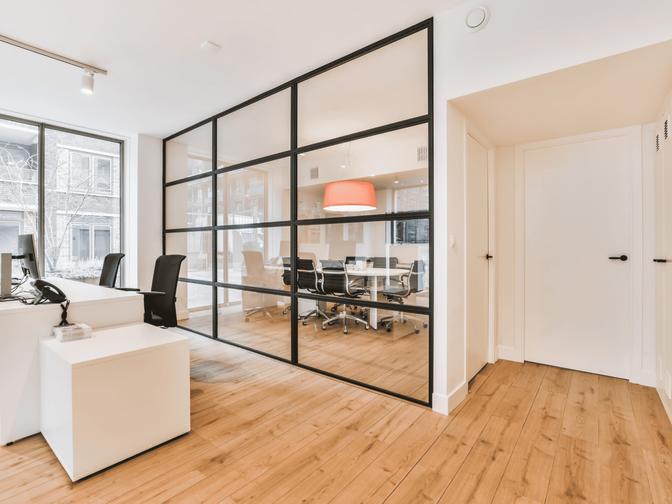
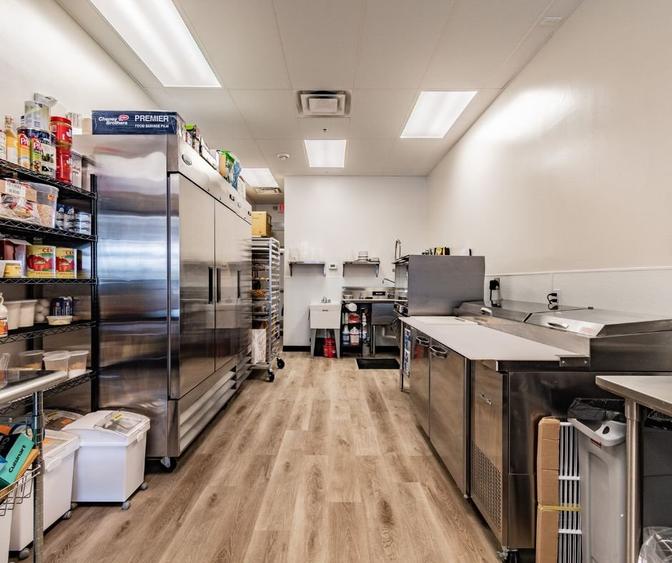
For a restaurant, tenant improvements may involve service flow, customer seating, back-of-house efficiency, and durable finishes. For an office, the priority may be private rooms, conference areas, lighting, sound control, and a layout that supports daily operations.
The strongest improvements are the ones that make the property more useful without overbuilding for one tenant at the expense of future flexibility.
How Tenant Improvements Can Support ROI
Tenant improvements can improve ROI by making a commercial property in Bradenton more leasable, more functional, and more competitive.
The return may show up in different ways. Some are immediate, while others build over time.
A smart tenant improvement plan may help a property owner:
- Attract stronger tenants
- Reduce vacancy time
- Support better lease conversations
- Improve tenant retention
- Modernize an older space
- Make the property more flexible for future users
- Improve customer or employee experience
- Protect the owner’s long-term investment
The mistake is assuming every upgrade creates equal value. A high-end finish package may look impressive, but it may not produce the same return as a better layout, improved lighting, updated restrooms, or a more efficient entry and service area. The best improvements solve real problems in the space.
Start With the Tenant, Not Just the Finish
Tenant improvement planning should begin with how the space needs to operate.
Paint, flooring, fixtures, and finishes matter, but they should come after the bigger functional questions. What will the tenant do in the space every day? Where will customers enter? How will staff move? What areas need privacy, storage, durability, or visibility?
Those answers shape the construction plan.
For a retail tenant, the right layout can improve product flow and customer experience. For a restaurant, function matters behind the scenes as much as it does in the dining area. For a professional office, the balance between private work, meeting space, and shared areas can affect how useful the property feels.
Better function usually leads to better value.
The Improvements That Often Have the Biggest Impact
The best tenant improvements are not always the flashiest ones.
Property owners often get the most value from updates that remove friction for the tenant or improve the first impression for customers and clients. High-impact improvements may include:
- Better lighting in customer-facing areas
- Updated restrooms
- More efficient space planning
- Durable commercial flooring
- Cleaner storefront or entry experience
- Improved accessibility
- Fresh walls, ceilings, and trim
- Practical storage
- Upgraded break rooms or staff areas
- Modernized mechanical, electrical, or plumbing systems when needed
Some properties need a full build-out. Others need targeted improvements that make the space easier to lease or easier to operate.
A good contractor can help separate what is necessary from what is nice to have.
Why Build-Out Planning Should Happen Early
Early planning helps property owners understand cost, timing, and feasibility before lease expectations are set.
Tenant improvements often involve more moving parts than they appear to at first. A wall relocation may affect electrical work. A restroom upgrade may involve plumbing. A restaurant build-out may require careful coordination around equipment, ventilation, finishes, code requirements, and inspections.
When planning happens too late, costs and schedules can become harder to control. This is especially important when a tenant is waiting to open, a lease date is already in motion, or the property owner is trying to minimize downtime. The more clarity there is before construction begins, the easier it is to make informed decisions.
What Bradenton Owners Should Consider Before Approving Tenant Improvements
A tenant improvement project should support the current lease without limiting the property’s future potential.
Before moving forward, property owners should look at the project from both sides. What does this tenant need now, and how will these improvements affect the next tenant, the next lease, or the long-term use of the property?
A few questions can help guide the scope:
- Will this improvement make the space easier to lease again later?
- Is the layout too specific to one business?
- Are the materials durable enough for daily commercial use?
- Does the project require permitting or code updates?
- Will construction affect neighboring tenants or business operations?
- Who is responsible for which costs under the lease?
- What work needs to happen before the tenant can open?
- Are there long-lead materials or equipment that could affect the timeline?
These questions may not feel exciting, but they protect the investment. The right scope should create value now without creating problems later.
Common Questions About Tenant Improvements in Bradenton
What Are Tenant Improvements in a Commercial Property?
Tenant improvements are changes made to a commercial space so it works for a specific business or tenant.
They can include layout changes, finishes, lighting, restrooms, flooring, office build-outs, restaurant updates, retail improvements, and other construction work needed before or during occupancy.
Do Tenant Improvements Increase Property Value?
Tenant improvements can increase property value when they make the space more useful, leasable, and competitive. The strongest return usually comes from improvements that solve functional problems, improve the tenant experience, and make the property easier to market or retain.
Who Pays for Tenant Improvements?
Tenant improvement costs depend on the lease agreement. In some cases, the landlord provides a tenant improvement allowance. In others, the tenant pays for some or all of the work. Many projects involve shared costs based on the scope, lease terms, and long-term value of the improvements.
How Long Do Tenant Improvements Take?
The timeline depends on the size of the space, permitting needs, material availability, and the complexity of the build-out. A simple refresh may move quickly, while a restaurant, office conversion, or full interior build-out may require more planning, coordination, and inspections.
What Should Property Owners Prioritize First?
Property owners should prioritize improvements that make the space easier to lease, operate, and maintain.
Layout, lighting, restrooms, accessibility, durability, and building systems often matter more than decorative upgrades alone.
Make Tenant Improvements Work Harder for the Property
Tenant improvements should do more than prepare a space for one business. They should help the property stay useful, competitive, and financially stronger over time. Adkins Building & Construction helps Bradenton property owners and business clients approach commercial improvements with a clear construction process, practical planning, and experience in Gulf Coast commercial spaces.
If you are preparing a commercial property for a new tenant or reworking a space for better performance, start with a conversation about what the property needs to accomplish next.
Guide · Commercial
