

A custom island home should feel like it belongs to its setting. The architecture, materials, layout, and outdoor spaces all shape how the home lives along Florida’s Gulf Coast.
For many homeowners, the first major design decision is whether the home should lean Coastal Craftsman, Coastal Modern, or somewhere between the two.
In this blog, you’ll learn how Coastal Craftsman and Coastal Modern homes differ, where each style works best, and how to choose a custom home identity that fits your island property, lifestyle, and long-term vision.
In This Guide:
- What Is Coastal Craftsman Style?
- What Is Coastal Modern Style?
- The Main Difference Between Coastal Craftsman and Coastal Modern
- How the Lot Should Influence the Style?
- When Coastal Craftsman Is the Better Fit
- When Coastal Modern Is the Better Fit
- Why Island Homes Require the Right Builder Early
- Common Questions About Coastal Craftsman and Coastal Modern Homes
- Choose a Custom Home Style That Belongs on the Coast
What Is Coastal Craftsman Style?
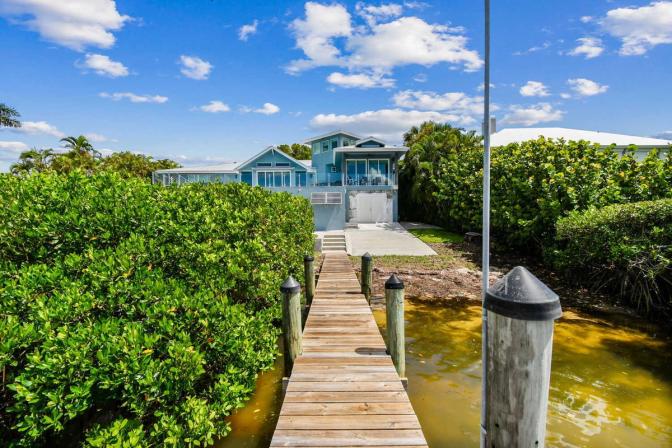
Coastal Craftsman style combines the warmth of traditional craftsmanship with the lighter, more relaxed feeling of Florida coastal design. This style often feels established, welcoming, and personal. It is a strong fit for homeowners who want their island home to have texture, character, and architectural detail without feeling overly formal.
Common Coastal Craftsman features may include:
- Wide porches
- Tapered columns
- Layered rooflines
- Lap siding or board and batten siding
- Natural wood accents
- Exposed rafter tails
- Built-ins, beams, and custom millwork
- Softer exterior palettes
The coastal side of the style keeps it from feeling too heavy. Light colors, open gathering spaces, large windows, and covered outdoor living areas help the home feel right for Florida’s island environment.
A Coastal Craftsman home should feel refined, but not stiff. The details matter, but they should support the home instead of competing with the setting.
What Is Coastal Modern Style?
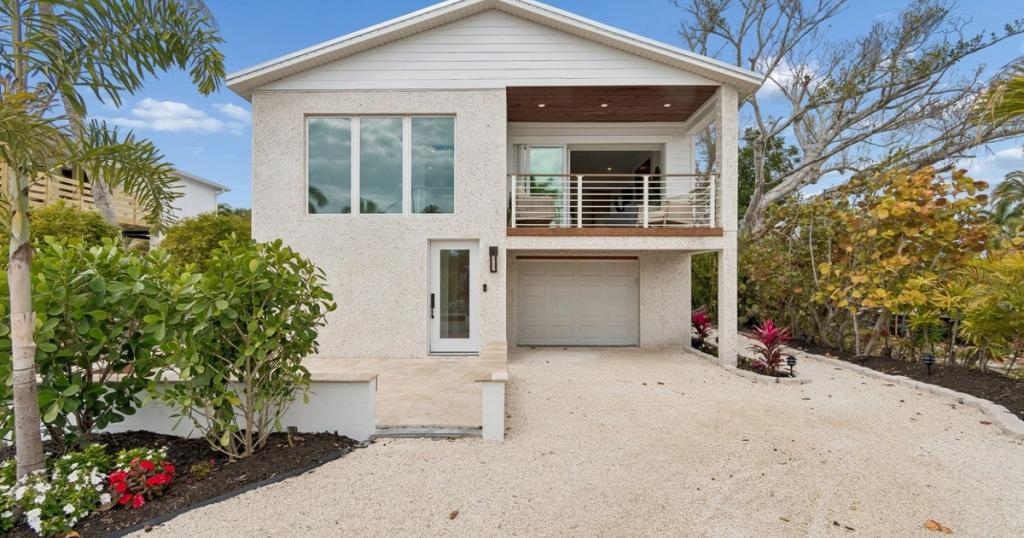
Coastal Modern style uses cleaner lines, open spaces, large glass openings, and simpler materials to create a lighter architectural expression. Instead of relying on trim, columns, and layered detail, Coastal Modern homes often make their impression through proportion, light, views, and material restraint.
This style tends to feel crisp and intentional. It works especially well when the lot has a view worth framing, such as Gulf water, bayfront exposure, a canal, a pool courtyard, or a sunset-facing outdoor area.
A Coastal Modern island home may include smooth stucco, vertical siding, glass railings, larger windows, low-pitched or flat rooflines, open interiors, floating stairs, minimal trim, and indoor-outdoor living spaces that feel closely connected.
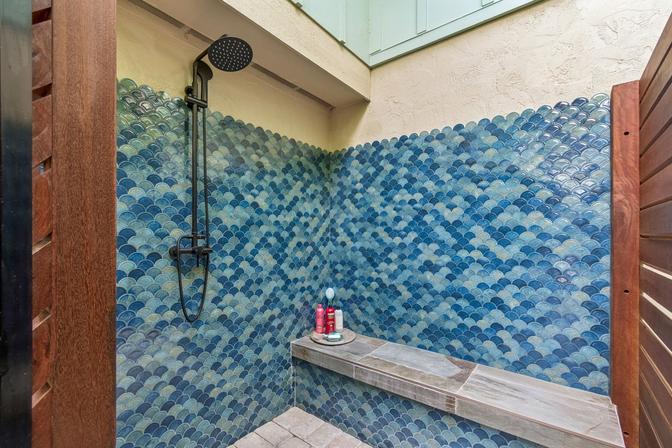
The best Coastal Modern homes are not cold. Wood ceilings, natural stone, warm lighting, textured tile, and soft furnishings can bring comfort into a clean architectural shell.
The Main Difference Between Coastal Craftsman and Coastal Modern
The biggest difference is how each style creates character. Coastal Craftsman creates character through visible craftsmanship. The home may have more exterior detail, more trim, more texture, and a warmer sense of arrival. Coastal Modern creates character through simplicity. The architecture may feel quieter, but the windows, rooflines, exterior forms, and view corridors do more of the work.
One feels more layered.
The other feels more edited.
Neither choice is better on its own. The right direction depends on the property, the surrounding homes, the homeowner’s taste, and how the home needs to function every day.
How the Lot Should Influence the Style?
A Florida island lot should guide the architecture from the beginning. Island properties often come with practical considerations that affect design. Flood elevation, setbacks, storm exposure, parking, privacy, access, outdoor living, and view orientation can all influence what makes sense.
On some lots, Coastal Craftsman feels like the natural choice. A home in an established island neighborhood may benefit from porches, overhangs, wood accents, and familiar proportions that feel connected to the homes around it. On other lots, Coastal Modern may be the stronger fit. A waterfront or narrow property may call for larger glass openings, vertical living, simplified forms, and outdoor spaces that make the most of the view.
Before choosing a style, it helps to look at the property through a few practical questions.
- How does the sun move across the lot?
- Where are the best views?
- How close are the neighboring homes?
- Will the home need elevated living?
- Where should outdoor spaces feel open, and where should they feel protected?
A strong custom home identity is not based on a Pinterest image alone. It comes from matching the look of the home to the realities of the site.
When Coastal Craftsman Is the Better Fit
Coastal Craftsman is often the better fit when homeowners want warmth, detail, and a home that feels connected to classic island living. This style works well for families who imagine the home as a gathering place. Covered porches, open kitchens, dining areas, guest suites, bunk rooms, and shaded outdoor areas all feel natural within a Coastal Craftsman design. It can also be a good choice when the homeowner wants more visible custom detail.
That may show up in the stair design, ceiling beams, cabinetry, fireplace surround, built-ins, exterior brackets, or entry sequence. The craftsmanship gives the home personality. Coastal Craftsman may be right if you want:
- A home that feels warm and established
- More architectural detail on the exterior
- Porches or covered outdoor gathering areas
- Natural wood, painted siding, or layered materials
- A style that blends well into older island neighborhoods
- Interior spaces with millwork, texture, and softer transitions
The caution is balance. Too much detail can make a coastal home feel busy, especially in strong Florida light. The best version of this style feels intentional, not decorated.
When Coastal Modern Is the Better Fit
Coastal Modern is often the better fit when the property calls for openness, views, and a simpler architectural profile. This style can be especially effective for waterfront homes, newer island properties, or lots where indoor-outdoor living is one of the main priorities. With Coastal Modern, fewer elements are doing more work. Window placement matters. Ceiling height matters. Exterior proportions matter. The relationship between the kitchen, living space, balcony, pool, and view becomes central to the design.
A Coastal Modern home may be right if you want a home that feels:
- Clean
- Open
- Light-filled
- View-focused
- Contemporary
- Less detailed
- More architectural
This style depends on precision. When trim and ornament are reduced, the quality of the coastal construction, material transitions, and proportions become even more visible.
Why Island Homes Require the Right Builder Early
If you’re planning a renovation in Bradenton, FL, the structure behind your project matters just as much as the final result.
Adkins Building & Construction approaches every project with a focus on alignment, transparency, and follow-through. If you’re ready to start a conversation about your project, reach out to the team to discuss your goals, timeline, and scope. It’s a straightforward way to understand what’s possible and what the next steps look like.
Common Questions About Coastal Craftsman and Coastal Modern Homes
What Is Coastal Craftsman Style?
Coastal Craftsman has a warmer, more detailed feel. It often includes porches, wood accents, siding variations, custom trim, and spaces that feel relaxed but still polished.
What Is Coastal Modern Style?
Coastal Modern is cleaner and more restrained. It leans on open layouts, large windows, simple forms, and strong connections to outdoor living, especially when the property has water, sunset, or pool views.
Can Coastal Craftsman and Coastal Modern Be Combined?
Yes, but one style needs to lead. A modern home can be softened with wood ceilings, natural stone, or warmer interior finishes. A Craftsman-inspired home can feel fresher with simpler cabinetry, cleaner trim, and larger openings.
The blend should feel intentional, not split between two competing ideas.
What Should I Consider Before Choosing a Custom Home Style?
Start with the island lot. Views, flood elevation, setbacks, neighboring homes, maintenance, outdoor living, and budget should all shape the direction before finishes or inspiration photos take over.
Which Style Works Best for a Waterfront Lot?
A waterfront lot often pushes the design toward views, light, and outdoor access. That can make Coastal Modern a natural fit, but it is not the only option. A Coastal Craftsman home can also work beautifully when the porches, window placement, and main living areas are planned around the water instead of added after the fact.
Choose a Custom Home Style That Belongs on the Coast
The right style should fit the property, the views, and the way the home will be used. Coastal Craftsman, Coastal Modern, or a careful blend can all work when the design has a clear point of view. Adkins Building & Construction helps bring that direction into focus, shaping a custom home that feels personal, practical, and built for its coastal setting. Reach out to discuss your ideas and bring them to life.
Guide · Residential
