4 Min Read
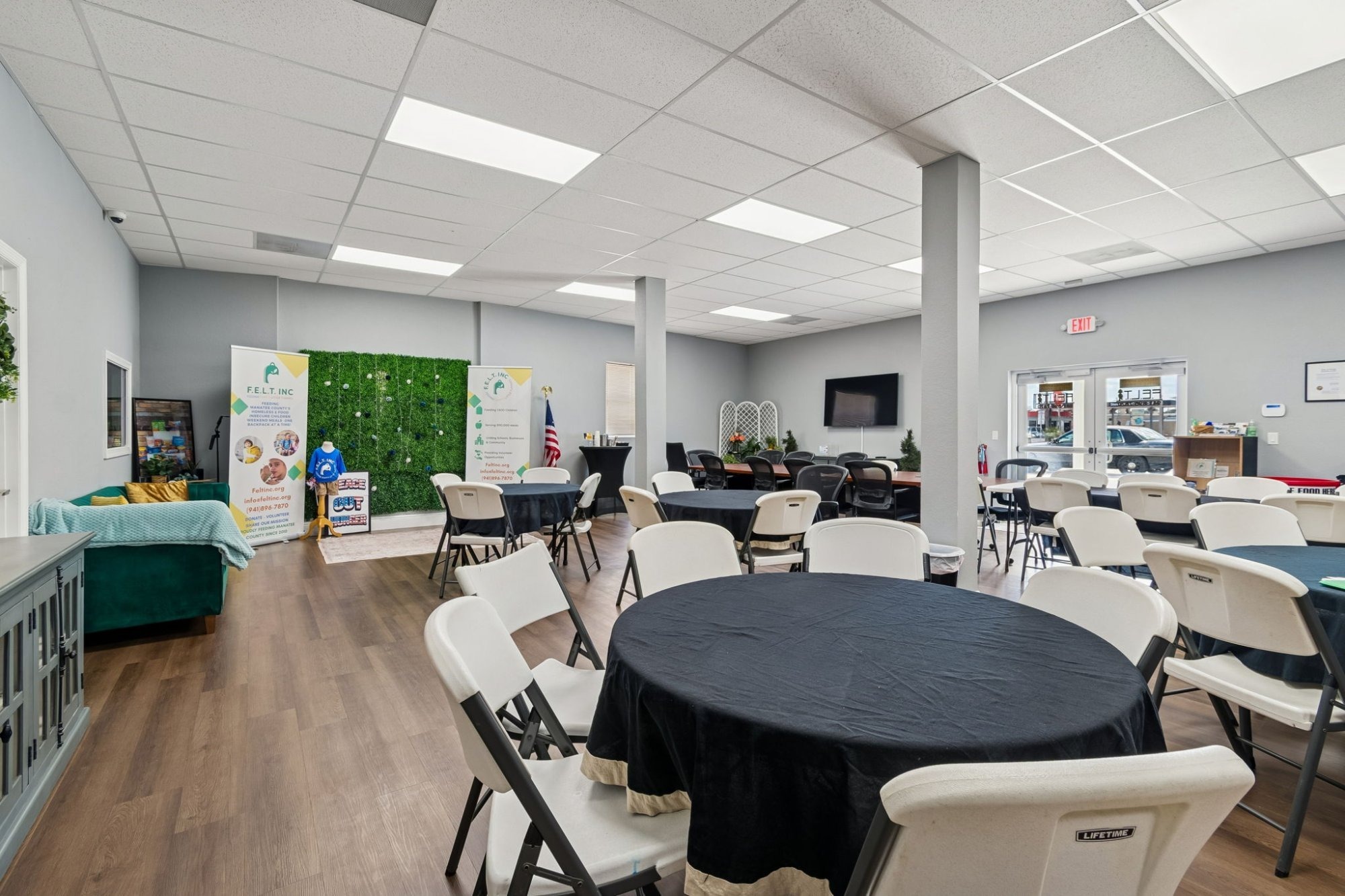
Florida’s Gulf Coast offers incredible opportunities for growth, investment, and development, but it also presents unique challenges for builders, developers, and property owners. From salt-laden air and high humidity to hurricanes and flooding risks, successful industrial construction in Florida requires a specialized approach rooted in durability, resilience, and thoughtful design.
For businesses planning industrial buildings in coastal environments, understanding how to build for longevity isn’t just a best practice; it’s essential. In this guide, we’ll explore how Florida’s coastal climate impacts construction, the best materials and strategies for long-term performance, and how working with a trusted Florida design-build contractor can streamline the process and improve outcomes.
What You’ll Learn:
- Understanding Florida’s Coastal Climate Challenges
- How Coastal Climate Affects Industrial Buildings
- Best Materials for Coastal Construction in Florida
- Smart Design Strategies for Longevity
- The Role of Design-Build in Coastal Construction
- Local Expertise Matters
- Building for the Future
- Why Adkins Building & Construction is the Right Partner
- Start Planning Your Coastal Industrial Project
Understanding Florida’s Coastal Climate Challenges
When it comes to coastal construction in Florida, the environment is both beautiful and demanding. The Gulf Coast, including areas like Bradenton, Sarasota, and Manatee County, experiences conditions that significantly impact building performance over time.
Key Environmental Factors
1. High Humidity & Moisture Exposure
Florida’s subtropical climate means constant exposure to moisture. Over time, this can lead to mold growth, corrosion, and material degradation, making durable construction a top priority.
2. Salt Air Corrosion
Coastal air contains salt particles that accelerate corrosion in metals, especially in structural components and fasteners. This is one of the most overlooked Florida coastal building challenges.
3. Hurricanes & High Winds
Severe weather events are a reality across the region. Designing for hurricane-resistant construction in Florida is critical for protecting assets and ensuring business continuity.
4. Flooding & Storm Surge
Low-lying areas along the coast are vulnerable to flooding. Implementing flood-resistant construction techniques helps mitigate risk and reduce long-term damage.
How Coastal Climate Affects Industrial Buildings
For commercial construction on the Florida coast, the stakes are even higher than residential projects. Light industrial facilities, such as warehouses, distribution centers, and flex spaces, must perform under constant environmental stress while supporting operational efficiency.
Here’s how the coastal climate directly impacts these structures:
- Structural Integrity: Corrosion can weaken steel components if not properly treated.
- Envelope Performance: Poor sealing allows moisture intrusion, leading to insulation failure and interior damage.
- Mechanical Systems: HVAC systems must work harder in humid environments, increasing wear and energy costs.
- Maintenance Costs: Without proper planning, coastal buildings require more frequent repairs and replacements.
This is why building for longevity in coastal climate conditions must be a foundational principle rather than an afterthought.
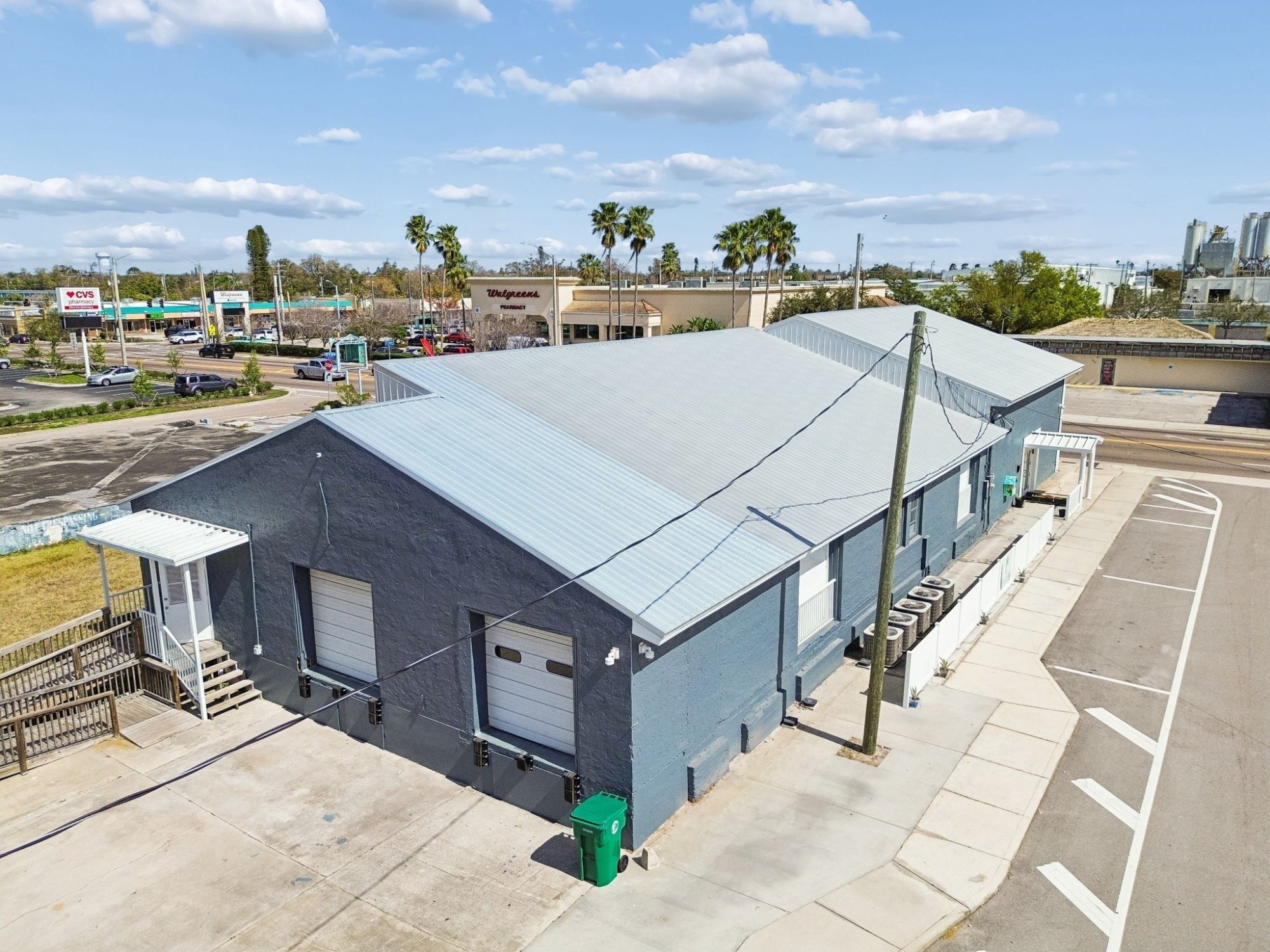
Best Materials for Coastal Construction in Florida
Choosing the right materials is one of the most important decisions in Sarasota industrial construction and the surrounding areas. The goal is to minimize deterioration while maximizing long-term performance.
1. Corrosion-Resistant Metals
Use stainless steel, aluminum, or galvanized steel for structural and exterior components. These materials are better suited for industrial buildings in coastal environments where salt exposure is constant.
2. Concrete with Protective Coatings
Concrete is widely used in Florida luxury commercial construction, but it must be properly sealed and reinforced to resist moisture intrusion and cracking.
3. Impact-Resistant Glass
Windows and glazing systems should meet hurricane impact standards to support hurricane-resistant construction requirements.
4. Moisture-Resistant Insulation
Closed-cell spray foam and rigid insulation boards perform well in humid climates and support durable construction strategies.
5. Fiber Cement & Composite Materials
These materials resist rot, pests, and moisture, making them ideal for exterior cladding in coastal Florida design-build firm projects.
Smart Design Strategies for Longevity
Material selection is only part of the equation. Effective structural engineering and coastal design ensure that buildings can withstand environmental stress over time.
Elevation & Site Planning
Raising structures above base flood elevation is a core component of flood-resistant construction techniques. Proper grading and drainage systems further protect the building envelope.
Wind Load Engineering
Designing for wind uplift and lateral forces is essential in commercial construction on the Florida coast. This includes reinforced connections, roof systems, and anchoring methods.
Building Envelope Design
A tight, well-sealed envelope prevents air and moisture infiltration, which is critical for building longevity in coastal climates.
Redundant Systems
In industrial facilities, redundancy in power and mechanical systems ensures continued operation during extreme weather events.
The Role of Design-Build in Coastal Construction
One of the most effective ways to navigate Florida's coastal building challenges is to partner with a local design-build contractor. The design-build construction process integrates design, engineering, and construction under one team, creating a more streamlined and cohesive approach.
Why Design-Build Works for Coastal Projects
1. Early Collaboration
Architects, engineers, and builders work together from day one, ensuring that structural engineering and coastal design considerations are built into the project from the start.
2. Faster Decision-Making
With a single point of contact, clients benefit from quicker responses and fewer delays, especially important in time-sensitive industrial construction projects.
3. Cost Control
By aligning design with construction realities, the design-build model reduces costly change orders and improves budget accuracy.
4. Accountability
Working with a single coastal Florida design-build firm ensures clear responsibility across all phases of the project.
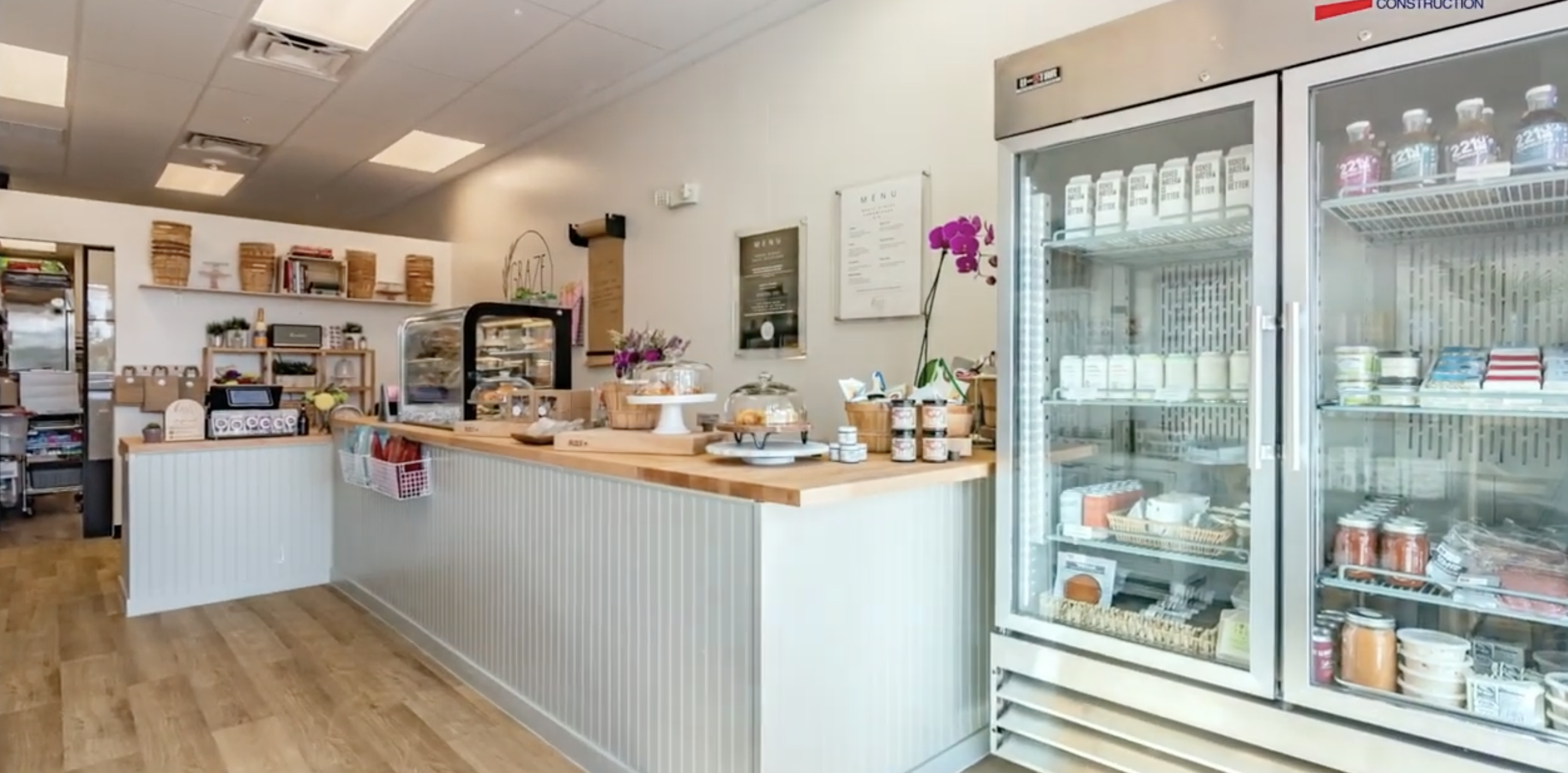
Local Expertise Matters: Gulf Coast Construction
Choosing a contractor with deep regional experience is also critical. A Florida Gulf Coast construction company understands the nuances of local codes, permitting, and environmental conditions.
A trusted Florida contractor brings:
- Knowledge of local flood zones and wind requirements
- Established relationships with inspectors and municipalities
- Experience with regional materials and suppliers
- Insight into community-specific design preferences
This local expertise is especially valuable in Sarasota industrial construction, where coastal conditions vary even within short distances.
Building for the Future: Longevity as a Strategy
In today’s market, durability is about protection as well as long-term value. Investors and business owners are increasingly prioritizing buildings that can withstand decades of use with minimal maintenance.
By focusing on building for longevity in coastal climate conditions, property owners benefit from:
- Lower lifecycle costs
- Reduced downtime from repairs
- Higher property value
- Improved tenant satisfaction
Whether developing a warehouse, flex space, or mixed-use industrial facility, longevity should be a core objective in every commercial construction project on the Florida coast.
Why Adkins Building & Construction is the Right Partner
At Adkins Building & Construction, we specialize in delivering high-performance projects tailored to Florida’s coastal environment. As a boutique yet highly capable coastal Florida design-build firm, we combine personalized service with the expertise of a full-scale contractor.
Our approach is rooted in the design-build construction process, allowing us to guide clients from concept through completion with clarity and precision. We understand the demands of industrial building in coastal environments and bring a proactive mindset to every project.
From Florida luxury commercial construction to complex industrial builds, our team is committed to creating structures that stand the test of time.
Start Planning Your Coastal Industrial Project
If you're planning a light industrial or commercial project along Florida’s Gulf Coast, the right partner makes all the difference. Adkins Building & Construction brings a refined, design-build approach tailored to the realities of coastal environments by combining technical expertise with a highly personalized, client-first experience.
Connect with our team to discuss your vision and explore how we can guide your project from concept through completion with clarity, precision, and long-term performance in mind.